



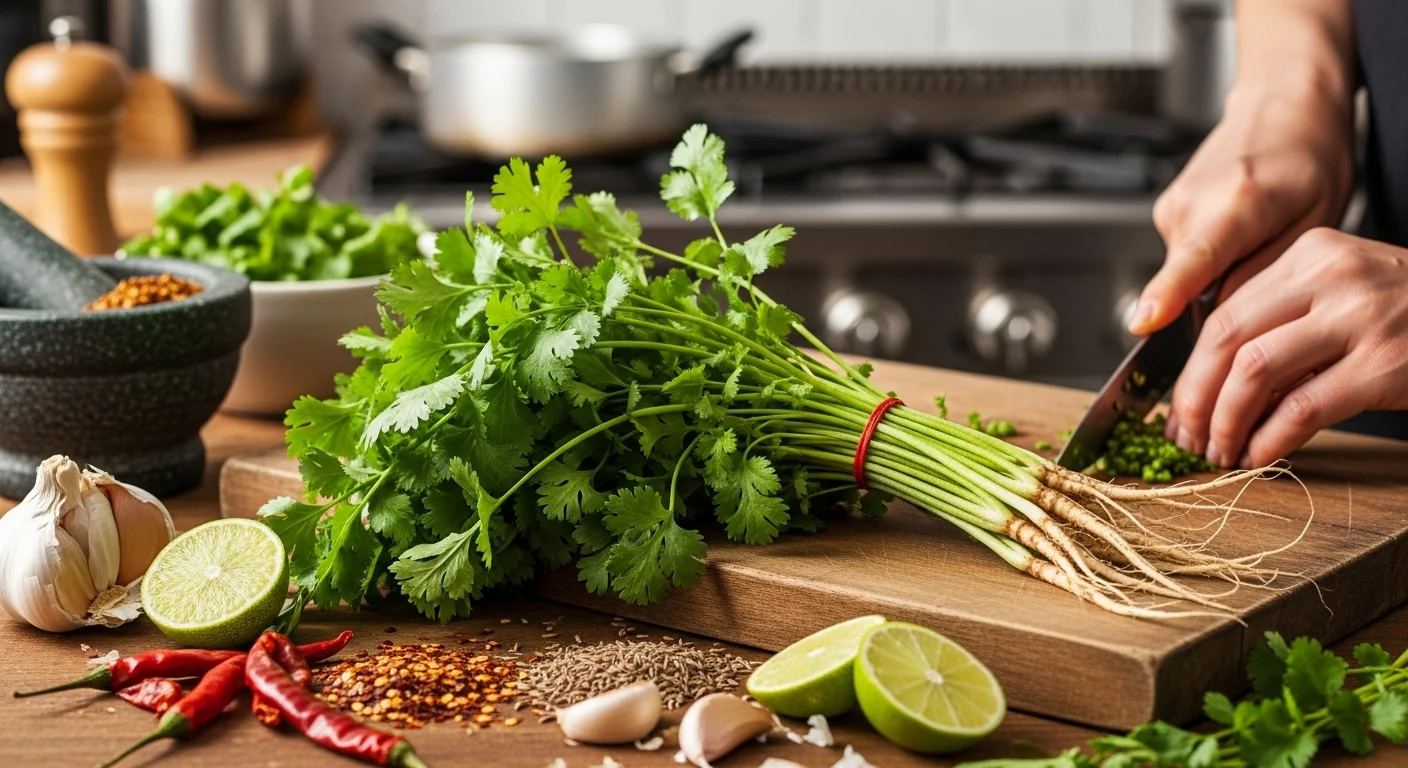
A Taste That Sparked Curiosity
When Mia wandered into her grandmother’s kitchen as a child, she was captivated by the rich aroma of freshly chopped herbs. Among them, one tiny, leafy green stood out a delicate yet potent herb called koriandri. That evening, as the scent infused every corner of the kitchen, Mia realized that koriandri wasn’t just an ingredient; it was a key to unlocking layers of flavor she had never imagined.
What Is Koriandri?
Koriandri, commonly known as coriander or cilantro, is a versatile herb used in kitchens worldwide. It is renowned for its vibrant green leaves, aromatic seeds, and a distinctive taste that can be both citrusy and earthy. While many associate koriandri with Asian, Latin American, or Middle Eastern cuisines, its use spans continents, cultures, and culinary traditions.
Origins of Koriandri
The herb’s history traces back thousands of years to the Mediterranean and Middle Eastern regions. Ancient Egyptians used it in culinary preparations and even as part of their traditional medicines. Today, koriandri is cultivated globally, thriving in temperate and tropical climates, making it an accessible and beloved herb in diverse cuisines.
Nutritional Benefits
Koriandri is not just a flavor enhancer; it’s packed with nutrients. Rich in antioxidants, vitamins A, C, and K, and essential minerals like potassium and iron, koriandri supports overall health. Regular consumption may aid digestion, improve heart health, and reduce inflammation. Its aromatic seeds are also known for antibacterial properties and digestive benefits.
Culinary Uses of Koriandri
Koriandri is a culinary powerhouse, used both as a fresh herb and in its dried seed form. Its versatility allows chefs and home cooks to experiment across various dishes:
Fresh Leaves
-
Salads and Garnishes: Adds a bright, fresh flavor to leafy salads or as a finishing touch on soups and curries.
-
Salsas and Chutneys: Essential in Mexican salsas and Indian chutneys.
-
Marinades: Infuses meats, tofu, or vegetables with a fragrant aroma.
Seeds
-
Spice Blends: Integral to garam masala, curry powders, and Middle Eastern spice mixes.
-
Roasting and Grinding: Enhances soups, stews, and sauces with a nutty, citrusy note.
Essential Oils
Koriandri oil, derived from seeds, is used in culinary applications, aromatherapy, and even skincare. Its mild, sweet aroma complements desserts, beverages, and savory dishes.
Why Koriandri Is Essential in Cooking
The distinct flavor of koriandri elevates ordinary dishes to extraordinary levels. Its bright and fresh taste can balance rich, spicy, or tangy flavors, making it a staple in kitchens worldwide.
Pairing with Other Ingredients
-
Citrus and Lime: Enhances the citrus notes in salads and salsas.
-
Chili and Spices: Balances heat in spicy dishes.
-
Dairy Products: Creamy sauces and yogurts benefit from its fresh herbal undertones.
Cultural Significance
Koriandri has more than just culinary value; it holds cultural importance in many societies. In India, it is a daily essential in cooking; in Latin America, it flavors iconic dishes like guacamole and pico de gallo; in Southeast Asia, it is used in soups and noodles. Its versatility and aroma make it both a cultural and culinary treasure.
How to Grow Koriandri at Home
For herb enthusiasts, growing koriandri is rewarding and relatively simple. Here’s how:
Planting Tips
-
Soil: Well-draining, fertile soil with a pH between 6.2 and 6.8.
-
Sunlight: Requires 4–5 hours of sunlight per day.
-
Watering: Keep the soil moist but not waterlogged.
Harvesting Techniques
-
Leaves: Pick fresh leaves when they are young and tender.
-
Seeds: Allow flower heads to mature, dry, and collect seeds for culinary use.
Common Issues
-
Bolting: High temperatures can cause leaves to flower prematurely; sow seeds in cooler periods.
-
Pests: Aphids and fungal diseases are occasional problems, manageable with organic solutions.
Koriandri in Global Cuisine
The herb’s global presence showcases its adaptability and appeal:
Asian Cuisine
In Thai, Vietnamese, and Indian dishes, koriandri is used in curries, soups, and stir-fries. Its fresh leaves and seeds enhance flavor depth and complexity.
Latin American Cuisine
Mexican dishes, including tacos, salsas, and ceviches, often feature fresh korian dri leaves, adding brightness and aroma.
Middle Eastern Cuisine
Coriandri seeds are commonly toasted and ground to flavor meats, hummus, and rice dishes. The herb is integral to spice blends such as za’atar and baharat.
European Fusion
Modern chefs incorporate korian dri in salads, marinades, and sauces, blending traditional flavors with contemporary culinary techniques.
Health Benefits of Koriandri
Beyond flavor, koriandri offers numerous health advantages:
Digestive Health
Koriandri stimulates digestion and may reduce bloating and indigestion. Its seeds act as natural carminatives.
Antioxidant Properties
The herb’s antioxidants help neutralize free radicals, promoting cellular health and longevity.
Detoxification
Some studies suggest koriandri can aid in heavy metal detoxification and support liver function.
Immune Support
Rich in vitamin C and essential oils, korian dri can strengthen the immune system and combat infections.
Tips for Cooking with Koriandri
To maximize flavor and aroma:
Use Fresh Leaves Last
Add fresh leaves at the end of cooking to preserve aroma and delicate flavor.
Toast Seeds
Gently roasting seeds enhances nutty and citrus notes, perfect for spice blends or seasoning.
Balance Flavors
Combine koriandri with complementary herbs and spices to avoid overpowering dishes.
Storage
Keep fresh leaves in a damp paper towel in the fridge; seeds should be stored in airtight containers away from sunlight.
The Future of Koriandri in Cuisine
As culinary trends embrace fresh, globally inspired ingredients, korian dri is experiencing a resurgence. Chefs experiment with modern fusion dishes, and home cooks are exploring international recipes that feature this versatile herb. With its unique flavor, nutritional benefits, and cultural relevance, koriandri remains indispensable in both traditional and contemporary kitchens.
Challenges and Opportunities
-
Availability: Fresh koriandri may be seasonal in some regions.
-
Flavor Polarization: Some individuals perceive a soapy taste due to genetics, but pairing with complementary ingredients mitigates this.
-
Innovative Dishes: Culinary experimentation continues to expand koriandri’s applications in modern gastronomy.
Conclusion
Koriandri is more than an herb; it is a culinary treasure that bridges cultures, flavors, and traditions. Its aromatic leaves, versatile seeds, and health benefits make it indispensable in kitchens worldwide. From ancient Mediterranean roots to contemporary global cuisine, koriandri continues to inspire chefs, food enthusiasts, and home cooks alike. For anyone passionate about flavor, nutrition, and culinary creativity, korian dri is a must-have ingredient that transforms ordinary dishes into extraordinary experiences.